Public Health

Article teaser image

88 Percent Of Chest X-rays Are No Benefit To Children

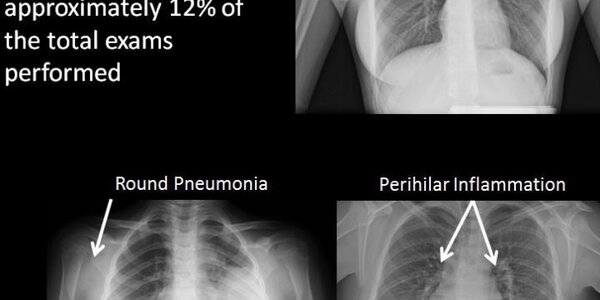
It's always a good idea to reduce cost and radiation and when it comes to kids and chest X-rays, that cost reduction should be happening a lot more. The authors of a new analysis reviewed data from 719 pediatric chest X-ray exams ordered between 2008 and 2014 in Mayo Clinic's inpatient, outpatient and emergency room settings. The patients undergoing the exams ranged in age from newborn to 17 years old. Of the 719 X-ray exams, 377 exams were ordered for chest pain, 98 indicated syncope (fainting) or presyncope, 21 indicated spells (a general feeling of being unwell or under distress), 37…

Article teaser image

Epinephrine In Cardiac Arrest May Do More Harm Than Good

Cardiac arrest, commonly known as a heart attack, is an often-fatal condition in which the heart stops beating. Epinephrine - adrenaline - is a hormone that stimulates the heart and promotes the flow of blood and current international guidelines recommend administering 1 milligram of epinephrine every 3-5 minutes during resuscitation.  Each year, more than 420,000 cardiac arrests occur in the United States. Cardiopulmonary resuscitation and defibrillation are the primary treatments.  And it works well, at least in the short term, but administering epinephrine may increase the…
Article teaser image

Who’s Smoking Marijuana and How Much?

Statistics on cannabis users skew perceptions of cannabis use. Most statistical surveys of marijuana focus on a single quantitative measurement, “How many people are using?” However, there is a problem; more marijuana use does not necessarily translate into more marijuana users. The greatest amount of marijuana consumption comes from the heaviest smokers. How many people are using does not give us a clear picture of levels of misuse or abuse. Examining frequency of use over time provides a picture of not only changes in who is using, but also how individuals are using. Researchers were…
Article teaser image

One Third Of UK 11-year-Olds Overweight Or Obese

Igor Stepovik Shutterstock By Roxanne Connelly, University of Edinburgh The World Health Organisation has defined obesity in children as a major threat to public health and the UK government treats it as a high priority. While we know a lot about the problem of childhood obesity from studying the heights and weights of groups of children at different ages, less is known about how obesity develops by studying the same child over a long period of time. Our study of a representative sample of more than 13,000 children throughout the UK looked at whether children between the ages of three and 11…
Article teaser image

El Niño Blamed For Stunted Growth Of Peruvian Children

Epidemiologists have linked El Niño, a recurring pattern where every 2-7 years warm waters in the Equatorial Pacific change the weather, to short stature, also known as stunting,  which is usually due to chronic malnutrition. The authors found that children born in coastal Peru during and after the 1997-98 El Niño, the last strong one, have a lower height-for-age than others born before the event.  El Niño has also been linked to epidemics of malaria, dengue fever, cholera and diarrhea, though the first recorded one was in 1525, so they have been happening a lot longer than…
Article teaser image

3X Saturated Fat In The Diet Doesn't Increase It In Blood

Doubling and even nearly tripling saturated fat in diets does not drive up total levels of saturated fat in the blood, according to a controlled diet study. The researchers found that total saturated fat in the blood did not increase - and went down in most people - despite being increased in the diet when carbohydrates were reduced. Palmitoleic acid, a fatty acid associated with unhealthy metabolism of carbohydrates that can promote disease, went down with low-carb intake and gradually increased as carbs were re-introduced to the study diet. However, increasing levels of carbohydrates in the…
Article teaser image

Regular Pot Use Changes the Brain

The existing literature on the long-term effects of marijuana on the brain is confusing, mostly due to methodological differences across studies. However, in a new study of cannabis users, scientists investigated the drug’s long term impact through brain scans, hoping to overcome methodological problems in previous studies. They found that marijuana use changes the brain. The team studied 48 adult cannabis users aged 20 to 36 and compared data with a group of matched non-users. Researchers collected multimodal measures of chronic marijuana using adults with a wide age range that…
Article teaser image

Health Risks Of Nicotine Cast Doubt On 'Safer' E-cigarettes

E-cigarettes should not be sold in Australia, as a therapy or a consumer product. gdvcom/Shutterstock By Ross MacKenzie; Benjamin Hawkins, London School of Hygiene&Tropical Medicine, and Thomas Novotny, San Diego State University British American Tobacco Australia has lobbied Australia’s Therapeutic Goods Administration to have electronic cigarettes (e-cigarettes) classified as a harm-reduction pharmaceutical product. If successful, this would allow media advertising for e-cigarettes similar to that seen for nicotine replacement products. On Friday the ABC revealed the TGA had mistakenly…
Article teaser image

Microvascular Dysfunction Common In Cocaine Users

Cocaine users complaining of chest pain may have microvascular dysfunction, improper blood flow through the smallest blood vessels that may not be detected in regular testing, putting these patients at risk for heart complications or death, according to research presented at the American Heart Association's Scientific Sessions 2014. The study compared heart imaging tests of 202 cocaine users to 210 randomly chosen non-cocaine users. All had undergone coronary angiography testing at Mount Sinai Hospital in Chicago from 2005 to 2013. Among cocaine users, during angiogram, the dye failed to…
Article teaser image

Omega-3 Fatty Acids Decrease Heart Disease - It's No Fish Tale

Increasing the amount of omega-3s in your diet will likely decrease your risk of getting heart disease, according to Penn State nutritionists who cite evidence supporting the heart-health benefits of eicosapentaenoic acid and docosahexaenoic acid (EPA and DHA), marine-derived omega-3 fatty acids. There is also some evidence exists for the positive effects of alpha-linolenic acid (ALA), a plant-based omega-3 fatty acid. EPA and DHA can be found in seafood and fish oil, and are often consumed in the form of dietary supplements. ALA is found in flaxseed and its oil, vegetable oils, and some…