The Human Role In Spread Of 90 Percent Of Hospital Infections
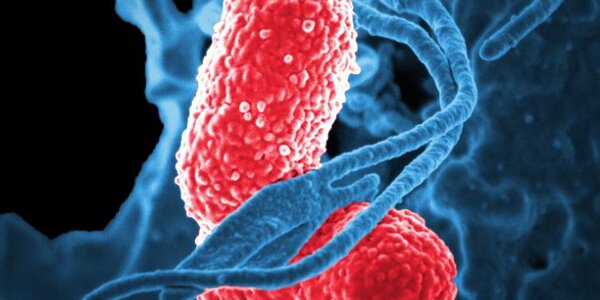
People treated in hospitals and other health care settings are increasingly at risk of infection with multidrug-resistant bacteria. Many of these microbes produce enzymes called extended-spectrum β-lactamases (ESBLs), which make them resistant to antibiotics. Understanding how ESBL bacteria spread from person to person is key to developing effective prevention strategies.
An observational study conducted in a French hospital showed that human contact was responsible for 90 percent of the spread of one species of antibiotic-resistant bacteria to new patients, but less than 60 percent of the…